

Afghan Box Camera
History
The Afghan Box Camera is a handmade wooden camera and darkroom in one, traditionally used by photographers working on the streets of Afghanistan during the 1950’s to produce instant identification portraits.
The camera is also known as a kamra-e-faoree which translates to ‘instant camera’.
These cameras are completely handmade apart from the lens which is usually an adapted large format lens mounted on a lens board. Traditionally, these cameras would use a barrel lens, meaning there is no shutter mechanism inside the lens, just aperture blades.
The lens projects the image onto the ground glass focusing screen which is usually mounted using a rail system. Once the subject is sat in front of the camera, the photographer will look through the rear door of the camera at the image projecting onto the ground glass and adjust the focus. Once the board has been focused, a clip will be used to mark the position of the focus on the focus rod at the rear of the camera.
The photographer will then make sure the lens cap is attached to the lens, making the box completely light tight, then reach into the camera using the arm hole on the side, they will put the paper into the holder at the back of the ground glass then remove the lens cap for the duration of the required time to make the correct exposure.
Once the exposure has been taken, the photographer will then remove the paper from behind the ground glass and place it into the chemistry trays inside the camera.
This will create the negative image.
To make a final positive image, a lens board is used to hold the paper on the front of the lens where you need to re-compose the image once more which will create a positive print.
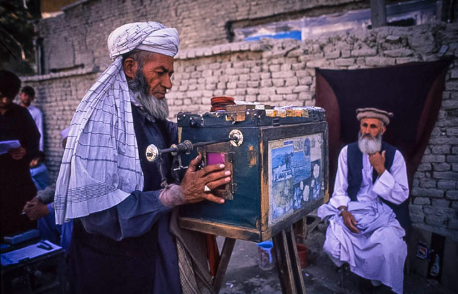
Building our own Afghan Box Camera
I wanted to create our own box camera to use at events where I could offer traditional portraits for people. There isn’t a great deal of information online on how to make one so I took all of the knowledge I had on how cameras work, and tried to wing it to make our own!
Starting off at B&Q where I had to pickup the most obvious materials such as, 9mm hardwood, hinges, nails, varnish, black paint, etc…
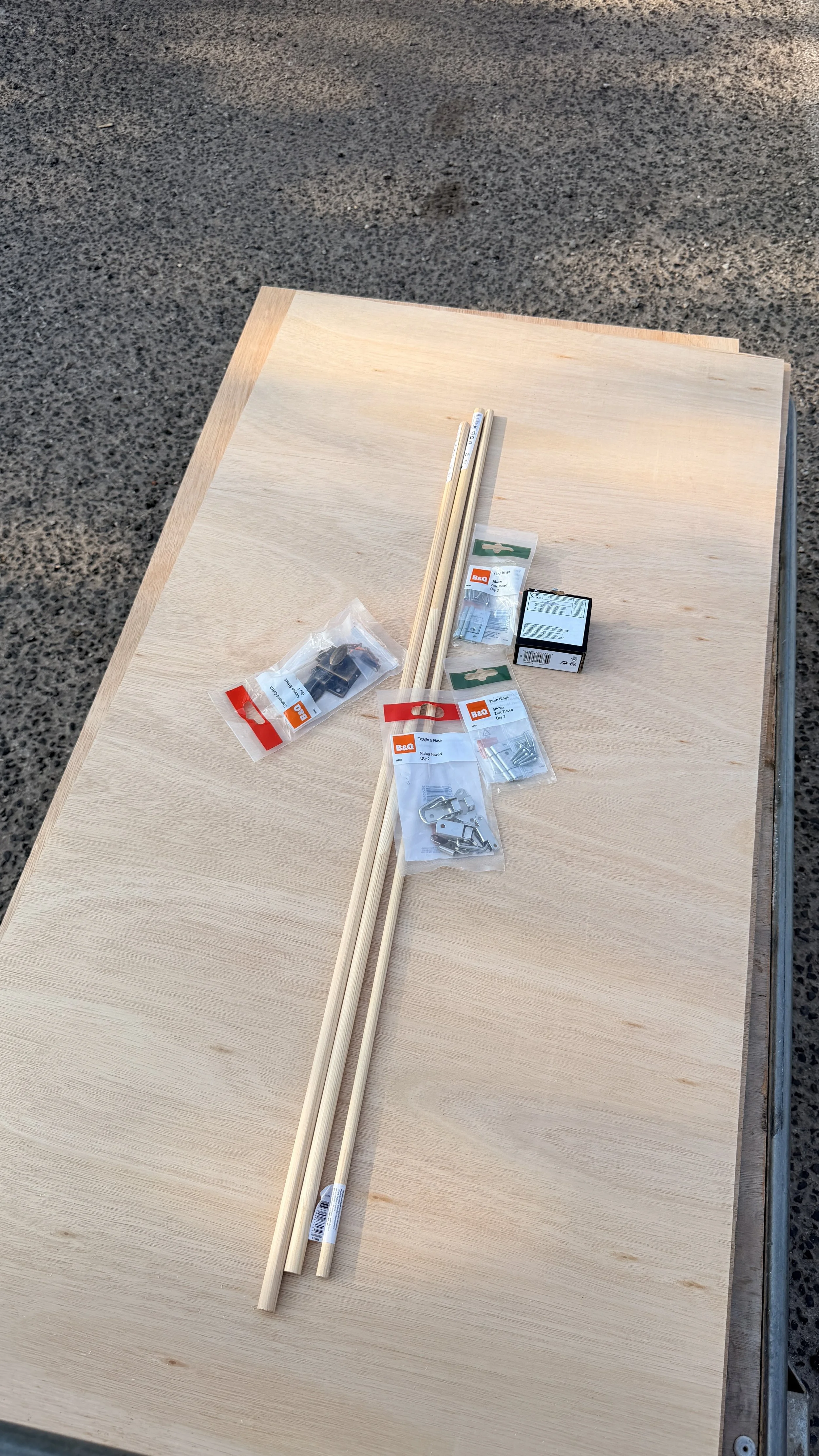
I then tried figured out what size to make the box as it’ll be shooting on 4×5 paper which is what I needed to base it off, so I made some measurements and started cutting, starting off with the rear door and building around it!
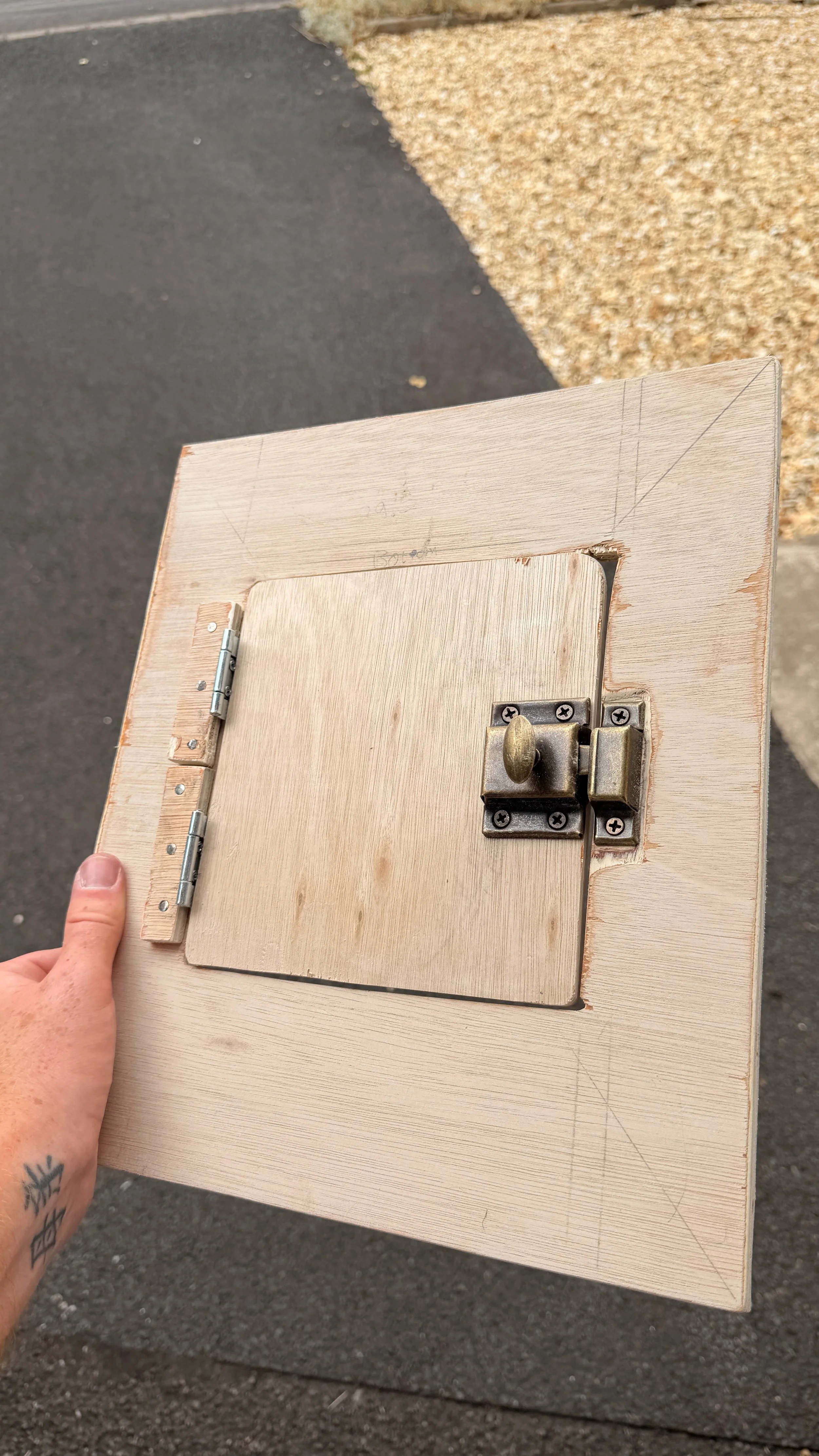
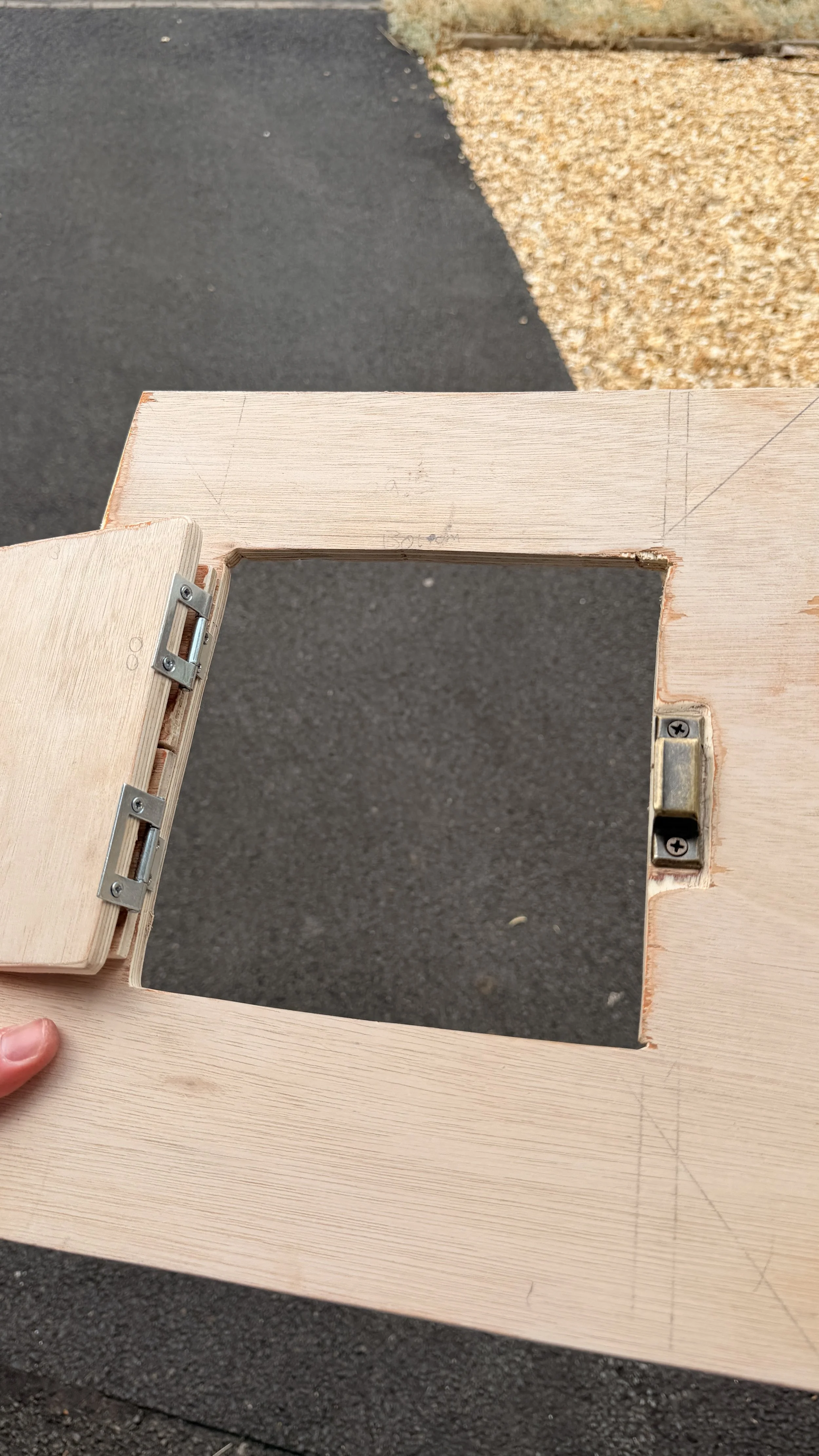
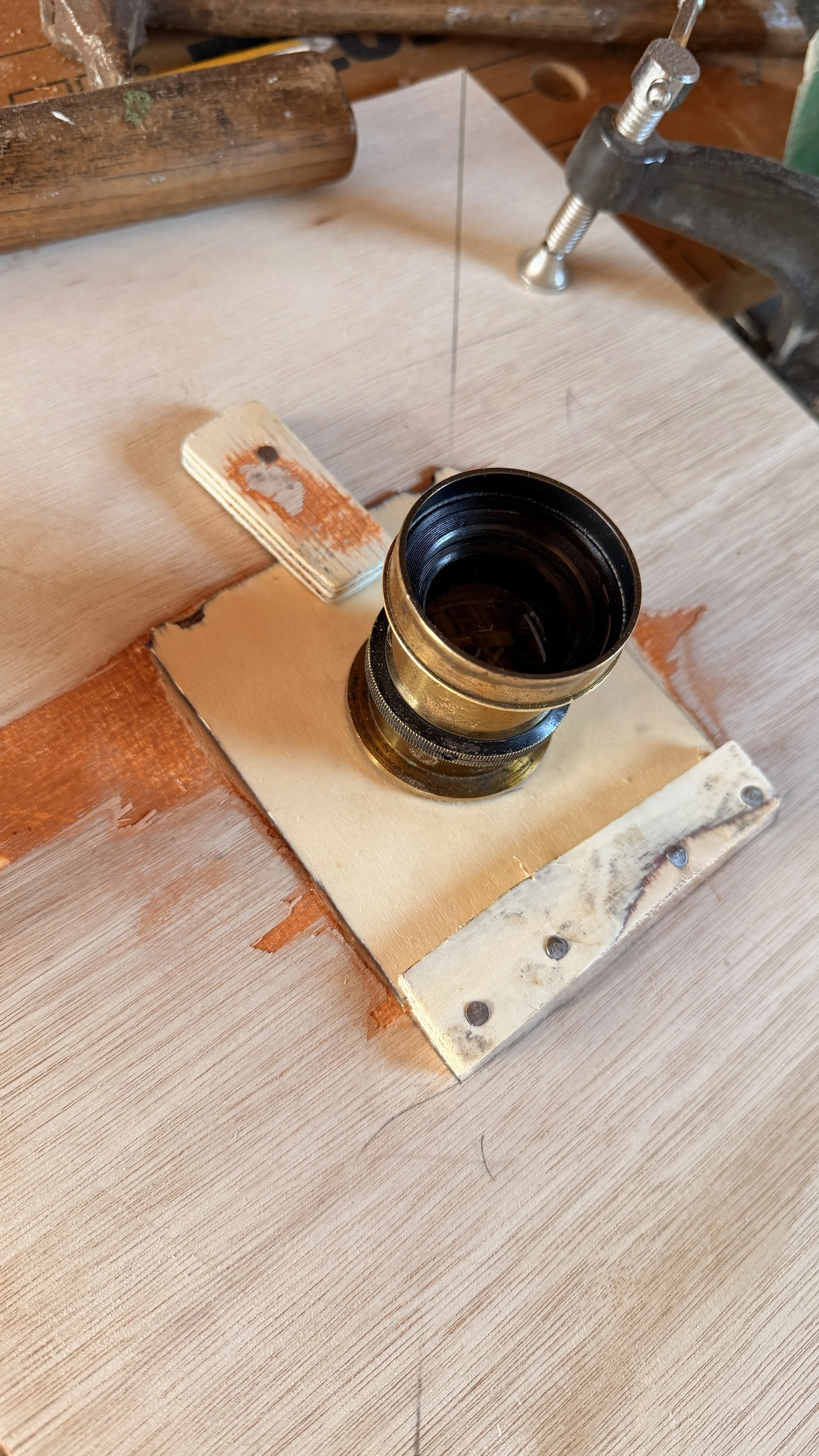
Once I had the box nailed and glued together, I put a double layer of hardwood on the base just to give it extra rigidity, then cut the lid to shape and added hinges and clasps.
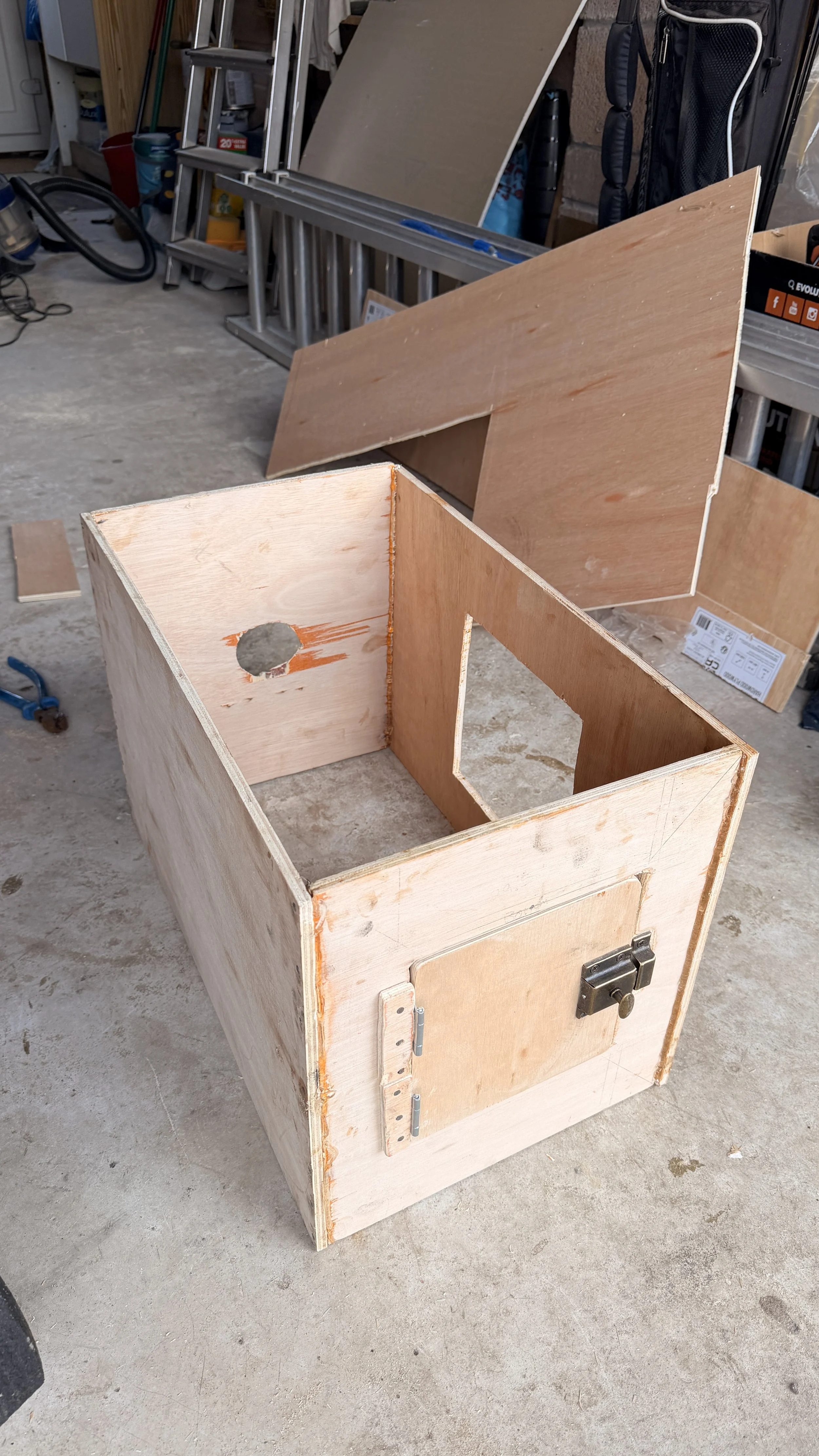
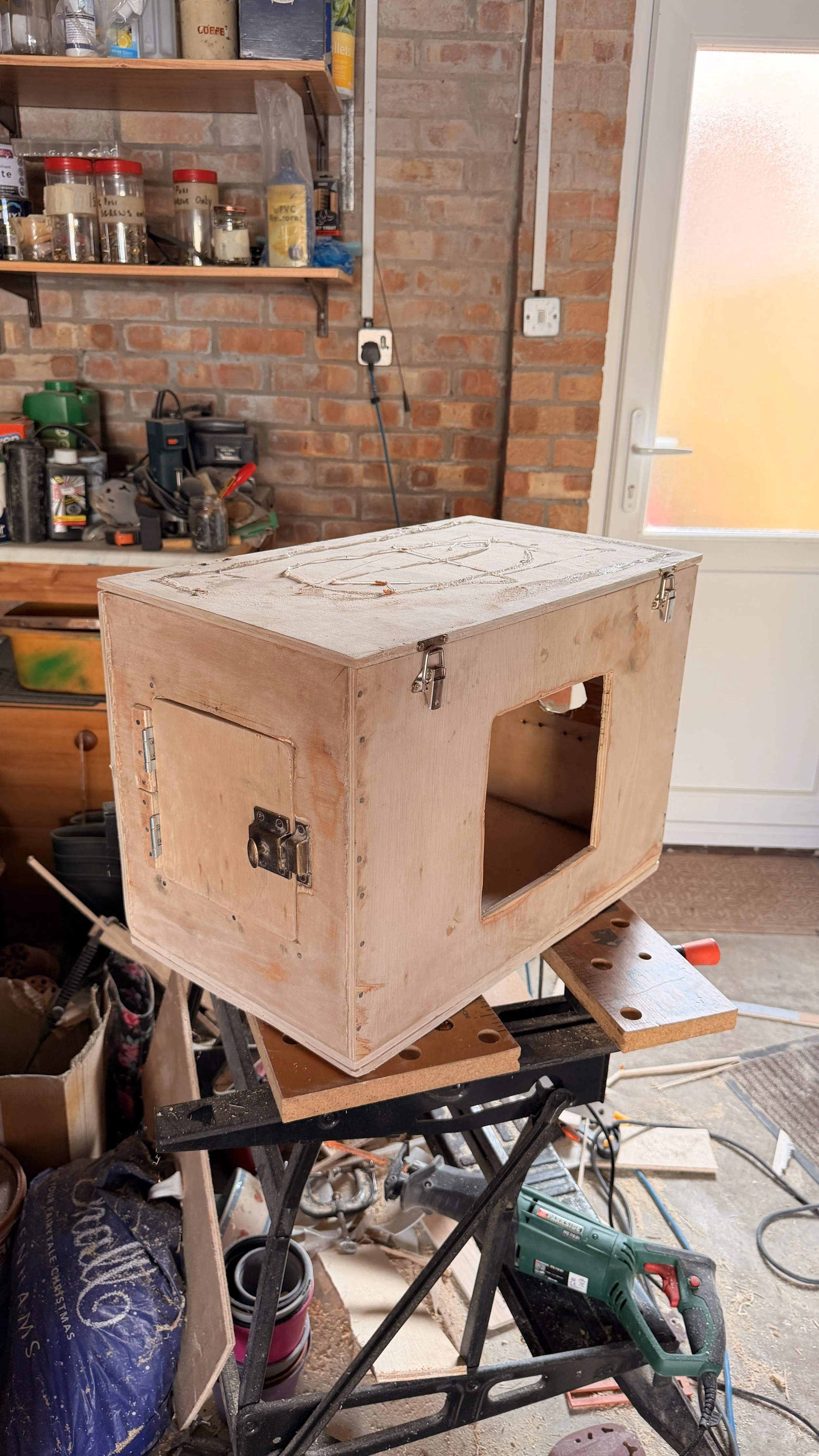
Now it’s looking more like a camera!!
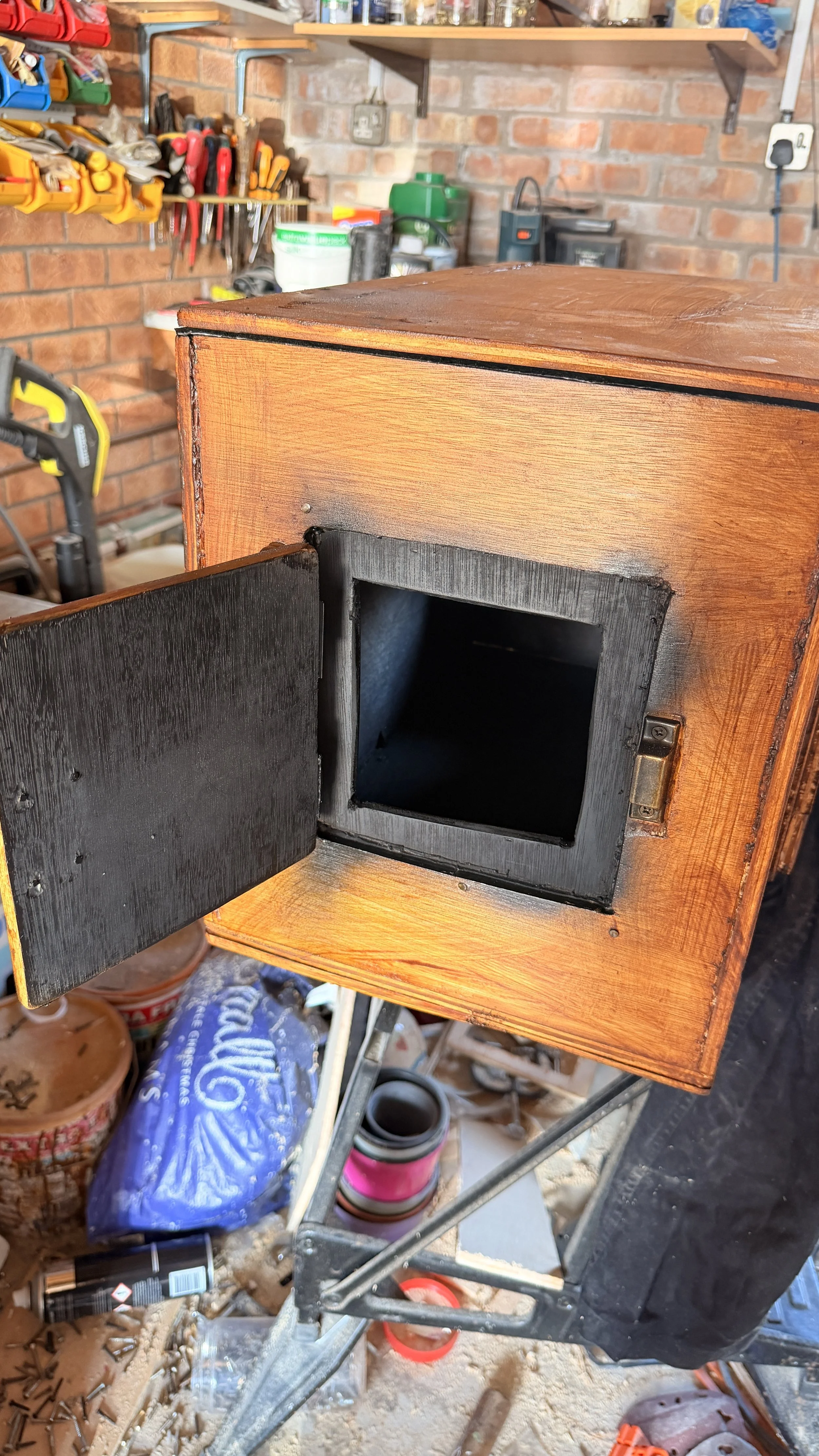
I then realised that the rear door would let light leak inside the box, so I added a flange to prevent light coming through. This is just some wood cut out as a frame, nailed and glued from inside the camera rear door.
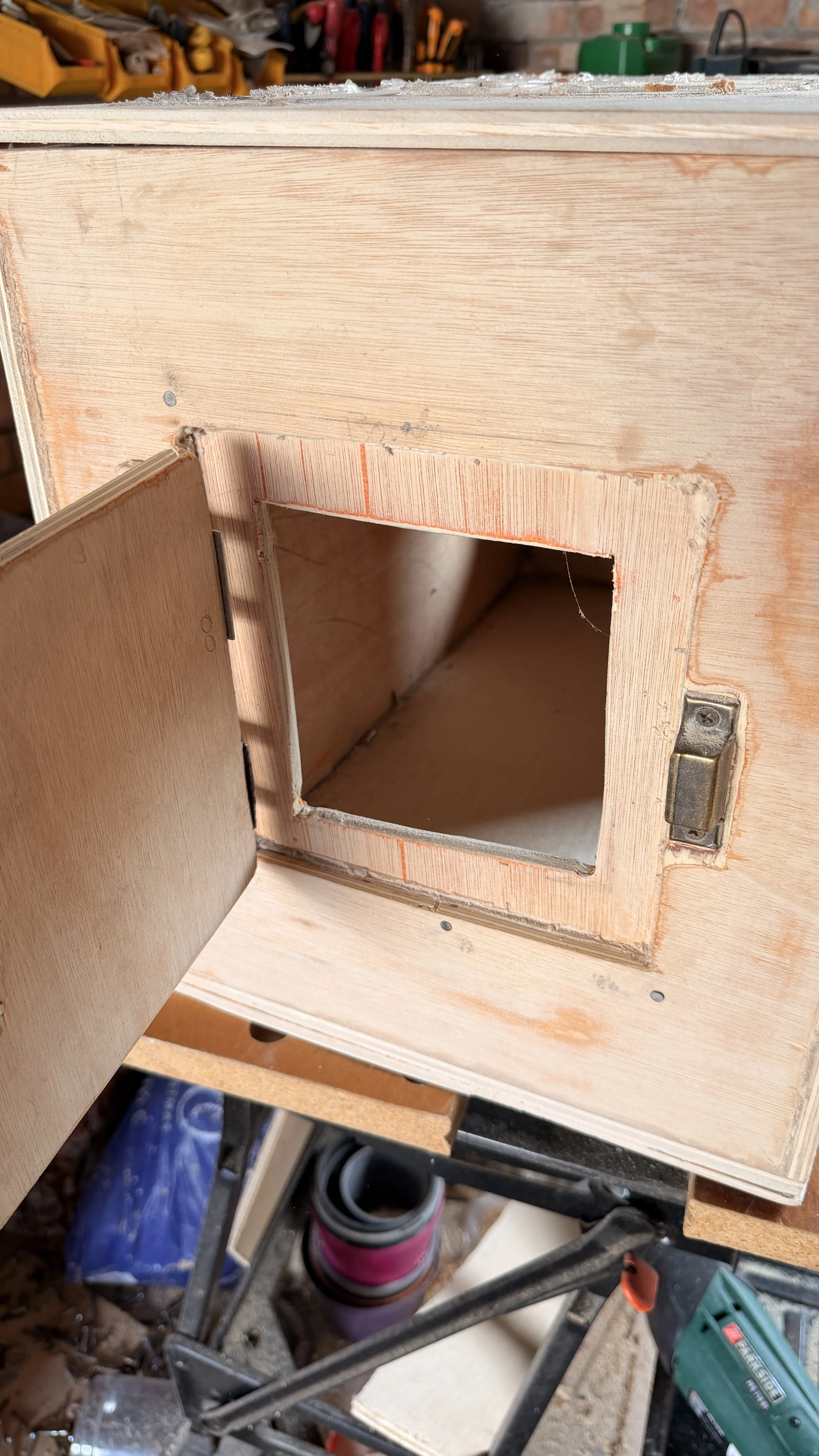
The aim for the door light trap is to also paint it black to prevent light coming through. I may add some seals in future but this should do for now!
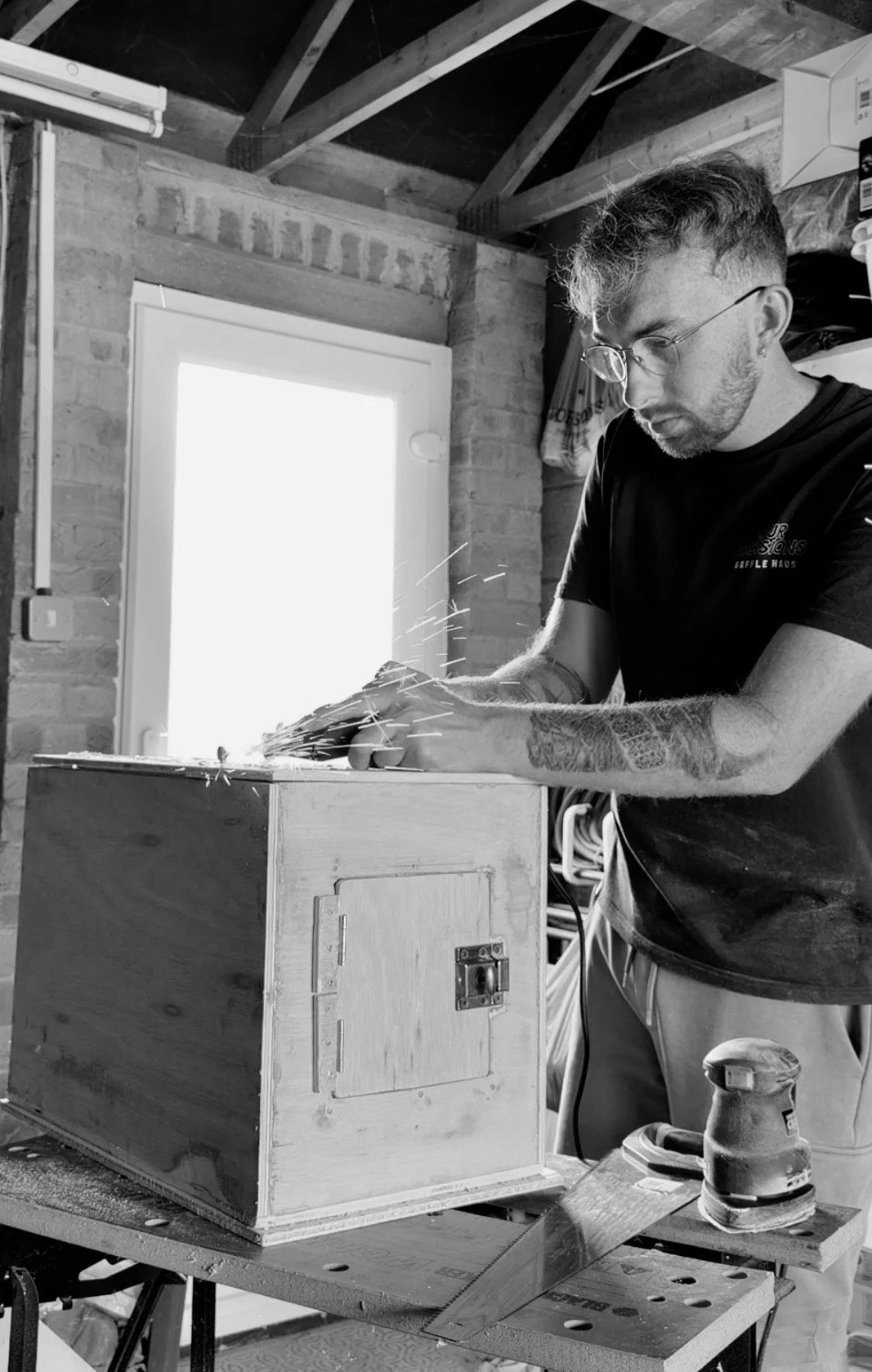
This is just an image of me using a dremel to sand down any sharp points from some of the exposed nails on the lid.
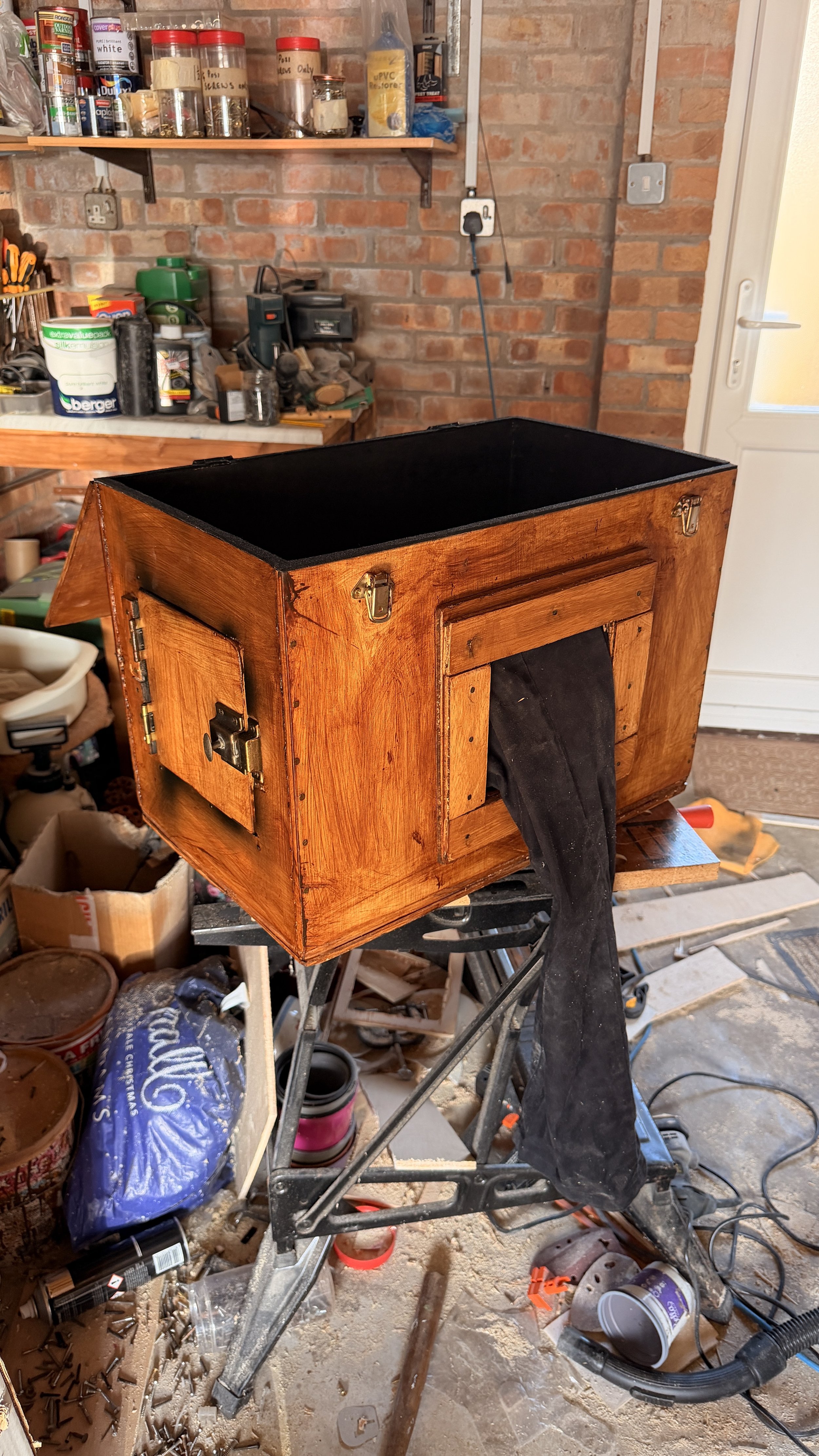
I also added a cut trouser leg to the side and stapled it onto the inner part of the box which will be used as the arm hole, then used a frame to sandwhich the arm sleeve onto the box to prevent any light leaks.
Once I was happy that I wouldn’t slice my hand open with any exposed nails, I layered the first coat of varnish on the shell and then painted the inner parts with a few coats of matte black spray paint.
I then had to construct the focus screen and rail system that will be used to focus and hold the paper in place when exposing the image.
I started off with measuring a 4×5 ground glass onto a piece of wood, then cut a recess in it to allow the ground glass to sit evenly in place.
Then came time to cut two holes through the holder to allow the rails to slide through. The rails will have wooden blocks either end that will glue and nail to the box to secure it in place.
Lastly, I had to make a small hole in the box to allow the focus rod to feed through and attach to the holder.
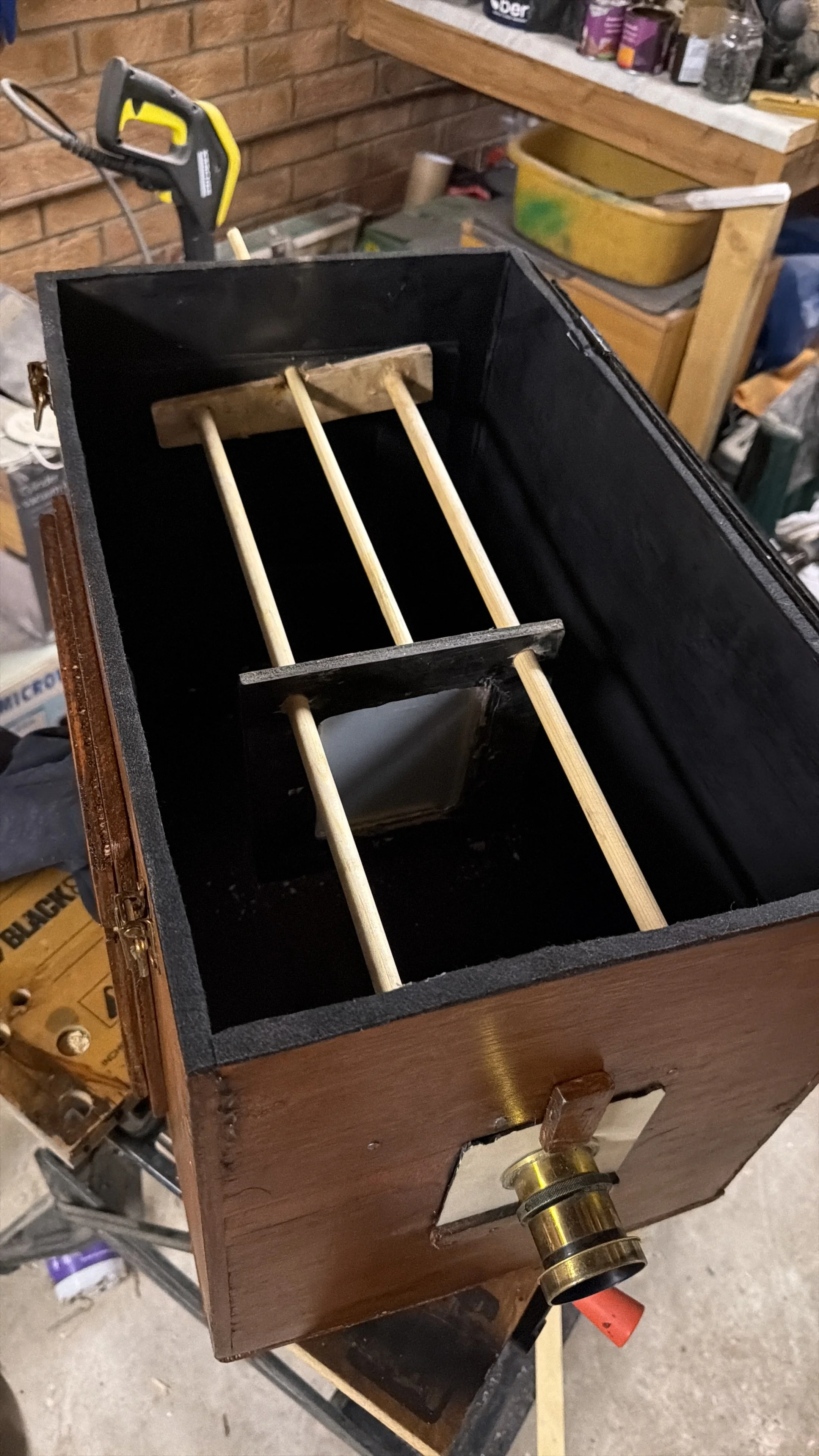
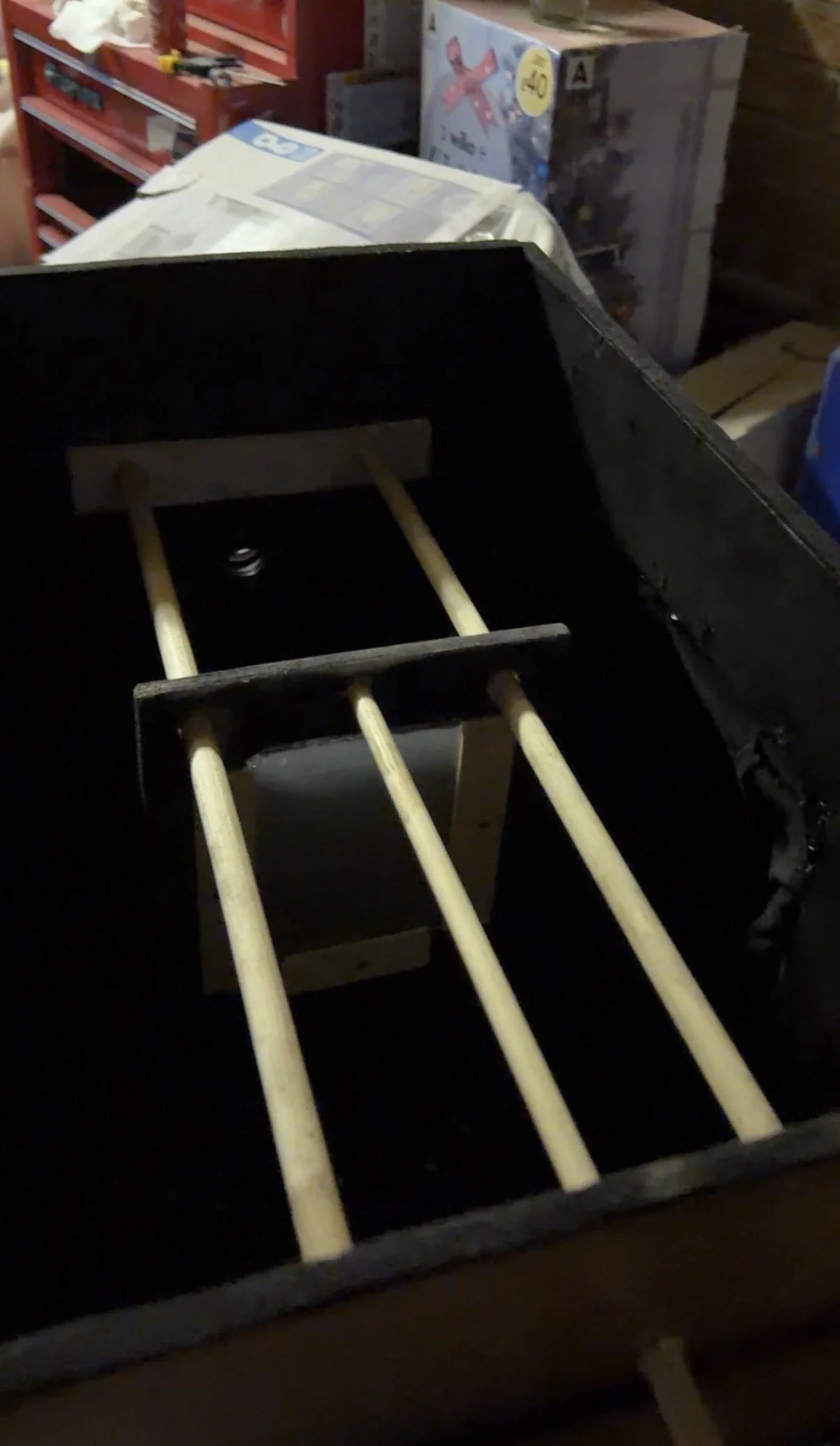
Here is a video of how the focus screen works.